New Year’s traditions in the Spanish-speaking world are a popular and interesting topic in the Spanish classroom. However, another topic that students can easily relate to is New Year’s resolutions. After all, how many people make New Year’s resolutions only to forget about them a few weeks later? They often end up forgotten in a drawer!
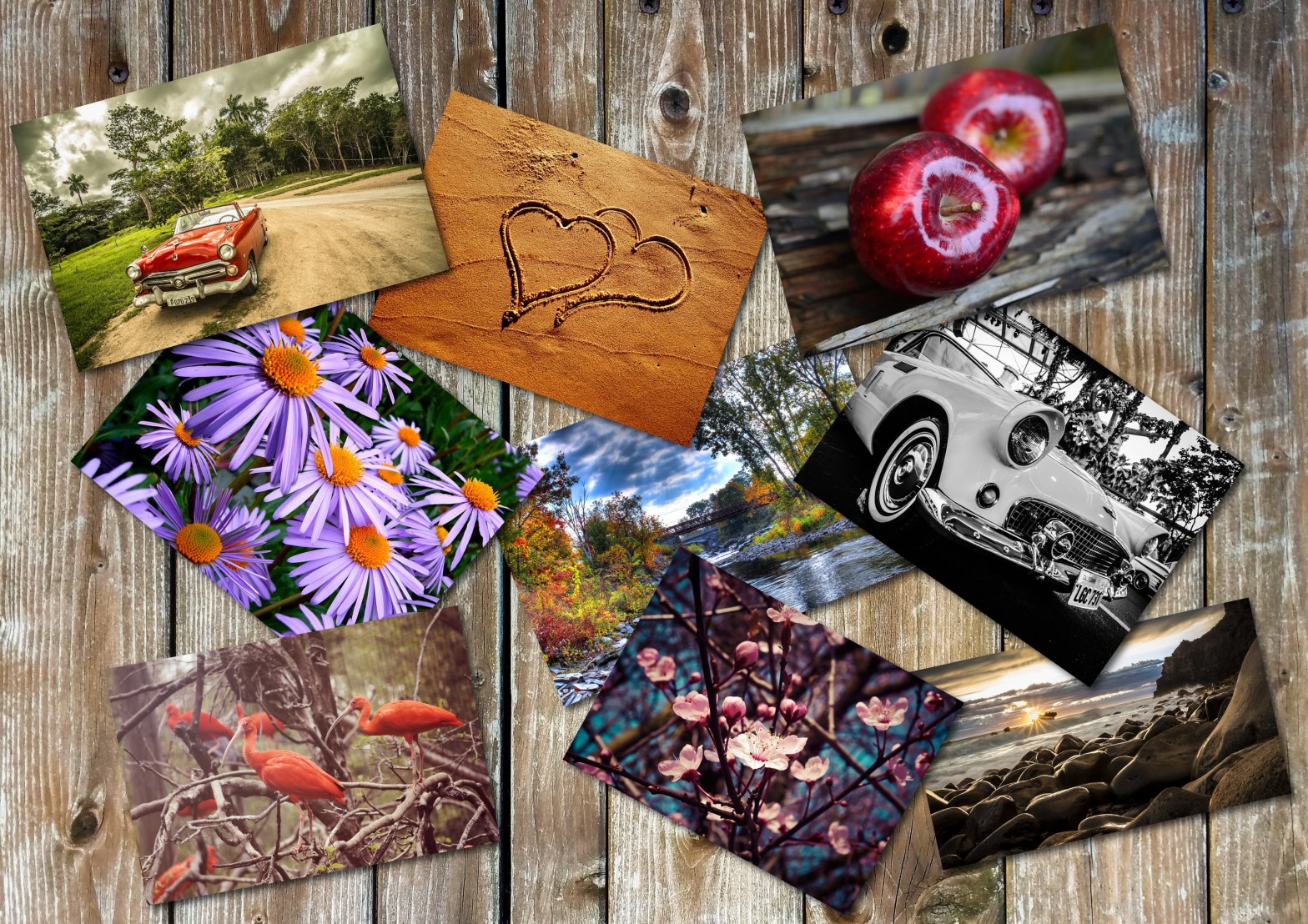
In recent years, vision boards have been gaining popularity as a different way to approach goal setting. A vision board offers a visual representation of our goals, dreams, and aspirations. It also provides an opportunity to explore the topic in Spanish through discussion, reading, grammar practice, and a creative classroom activity.
In the Spanish classroom, a vision board offers a world of possibilities for language practice. I have used this activity with upper-intermediate to advanced students, and it’s a wonderful way to practice speaking.
What do you need? Basically, old magazines, scissors, glue, paper, and markers. You can ask students to bring old magazines a few days before the activity. If you’re planning to do this after Christmas break, you may want to ask them to bring the magazines before the holidays.
And here’s something else I like about this activity: if you opt for a hands-on vision board, there are no screens involved! You can certainly create a digital vision board, but I really like the idea of students working with scissors and paper. It gives them a chance to be creative while using Spanish in a more natural, practical way.
One of my favorite ways to approach a topic in the Spanish classroom is to use a reading comprehension as the backbone of the lesson. However, a reading comprehension by itself doesn’t do the job. I always include pre-reading activities to introduce the topic and get students thinking before they start reading. If you’re working with students at a very basic level, visuals can be especially helpful.
Before reading about vision boards, I would use questions, phrases, and quotes that encourage students to share their thoughts and opinions in a friendly conversation. This can be done in pairs or small groups.
Here are a few questions you could use to get the conversation started:
- ¿Qué es más importante: tener una meta o tener un plan para alcanzarla?
- ¿Crees que las imágenes pueden ayudarnos a alcanzar nuestras metas? ¿Por qué?
- ¿Es mejor tener metas específicas o tener una idea general de lo que quieres para tu futuro?
These activities help introduce the topic and create a welcoming atmosphere for the reading. They can also build excitement, especially when students get involved in expressing their thoughts and opinions and listening to different points of view.
Find a suitable reading for your students’ level and experiment with different pre-reading activities. The options will depend on the reading you choose, so there’s no single formula to follow.
Then, of course, there’s vocabulary. Students need support to understand the reading, and this also provides them with new words they can use during the lesson. I like to encourage my students to use the target language as much as possible and minimize their use of translators. It’s important to create a vocabulary list or exercise that includes the main words students need before moving on to the reading.
Then, we can all happily read! Students can read individually, work in pairs, or follow along as you read aloud, which also provides some listening practice. Don’t forget to check comprehension through discussion questions, multiple-choice exercises, or questions about specific paragraphs. Make sure your students understand the text and don’t get frustrated.
How do we transform reading practice into a conversation activity? In this case, the answer is to create a vision board in class. A vision board works really well for this because it’s a very creative (and crafty!) activity.
Turning Reading Practice into Conversation: Let the Magic Happen!
There are many opportunities for students to use Spanish while working on their boards. They can talk about their future plans using ir + a + infinitivo, discuss how to organize the layout of their vision boards, and explain why they are choosing certain images from magazines. They can also exchange materials with other students and help each other find the words or images they need.
All these little moments can lead to spontaneous conversation in Spanish. Students are not just completing an exercise or answering questions about a text. They are using the language to express their ideas, make decisions, and interact with their classmates.
Once the vision boards are finished, there are several ways to continue the activity. You can organize a Vision Board Gallery, where students display their work and walk around to see their classmates’ boards. As they do this, they can take notes based on questions such as:
- ¿Hay alguna imagen, frase o idea que se repite con frecuencia?
- ¿Hay algo que te llamó la atención de alguno de los tableros de visión?
- ¿Te vinieron otras ideas a la mente?
After the gallery walk, you can have a class discussion about which goals are most common and why they are important. Another option is to have students share their vision boards with a partner.
If you tutor students on a regular basis, you can take the activity a step further. Compare a student’s vision board from last year with their current one and use the two as a starting point for a conversation about the goals they achieved, the ones they didn’t, and any new goals they have set for themselves.
And here’s another idea: why not create a vision board as a whole class? Imagine putting together your Spanish Class Vision Board, with goals and ideas that everyone can contribute to. It could be a fun way to start the new year together!
If you teach in a Continuing Education program, where new students join every few months, this can also be a great way to set goals together and help you organize your class around your students’ interests and goals.
Honestly, the possibilities are endless!
New Year’s is a great topic for the Spanish classroom, and a vision board is an activity that students can relate to and connect with their own lives. It’s something they can use beyond the classroom, and our goal as Spanish teachers is to help students use the language in practical ways.
I hope you’ve found some of these ideas interesting and that you can use them in your own class!
If you’d like a complete activity based on vision boards, including a reading comprehension and activities to help students practice vocabulary, grammar, and speaking, you can find my resource Propósitos de Año Nuevo vs. Tablero de visión in my TpT store.
Wishing you a wonderful New Year!

